
How to Deal With Rust on Your Car in Wisconsin Winters
Road salt keeps our roads drivable and eats our cars alive. Here's how to fight back — and when to call in help.
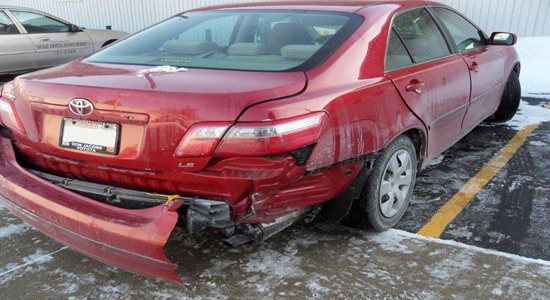
There's a reason used-car listings brag about being "southern cars." Wisconsin sits squarely in the Rust Belt — and it's not the snow that does it, it's the salt we use to melt it. After six decades of cutting rot out of Milwaukee County vehicles, here's our practical guide to living with road salt.
Why Salt Is So Hard on Cars
Rust needs three things: iron, oxygen, and water. Your car provides the first, the air provides the second, and a Wisconsin winter provides the third in abundance. Salt supercharges the reaction — salty water conducts electricity far better than fresh water, which dramatically accelerates the electrochemical corrosion of steel. Worse, salt is hygroscopic: it pulls moisture from the air, so salty grime keeps metal damp long after the roads are dry.
That's why the same truck that stays clean for 15 years in Arizona can show rocker rot in 6 or 7 here.
Where Rust Starts (Check These Spots)
Salt spray doesn't land evenly — it concentrates low and collects in seams and pockets. Walk around your car in spring and look at:
- Rocker panels (below the doors) — the classic Wisconsin failure point
- Wheel arches and quarter panels — wheels throw salty slush straight at them
- Door bottoms and tailgates — drain holes clog, water sits inside the panel
- Cab corners on pickups
- Behind moldings, trim, and mud flaps — grit traps that stay wet
- Any chip, scratch, or dent — broken paint is an open door; see our scratch repair and dent repair pages for why fixing them early is cheap insurance
Slowing Salt Down: What Actually Helps
- Wash regularly in winter — with an undercarriage rinse. The single highest-value habit. Every week or two during salt season, and always after a thaw (melting slush re-activates dried salt). Skip the driveway garden hose when it's below freezing; use a wash with underbody spray.
- Wax or seal the paint before winter. A fall wax gives salt spray less grip on your finish through the worst months.
- Fix paint damage promptly. Chips, scratches, and dinged door edges are where rust starts. A cheap touch-up in October beats a metal repair in April.
- Keep drain holes clear. Doors, rockers, and tailgates all have drains along their bottom edges. If they clog with leaves and grit, panels rust from the inside out.
- Don't park a salty car in a heated garage every night without washing it. Warmth plus wet salt is exactly the accelerated corrosion lab you don't want. If it's caked in salt, either rinse it or let it stay cold.
- Consider undercoating/rustproofing — with realistic expectations. Quality oil- or wax-based treatments applied to a clean, rust-free vehicle help. Sprayed over existing rust or damp grime, they can trap moisture and make things worse.
Found Rust? Here's Your Decision Tree
Surface rust (a scratch or chip turning brown)
Caught at this stage, repair is straightforward and inexpensive: the spot is sanded to clean metal, treated, primed, and refinished. Don't wait — this is the cheapest rust ever gets.
Bubbling paint
Corrosion is established under the finish. Proper repair means opening the area up, cutting back to solid steel, and refinishing. Still very fixable, and usually still confined to one panel. This is the stage where a free estimate earns its keep.
Holes or flaking metal (rot)
Now it's metal work: cutting out the rot entirely and welding in new steel or a patch panel, then sealing and refinishing. Done properly, the repair outlasts the quick fixes by years — because "sand it and skim filler over it" repairs fail the following winter, every time.
Structural rust (frame, subframe, floor pans)
Get it inspected promptly — this is a safety issue, not a cosmetic one. We'll give you an honest assessment of whether repair makes financial sense for the vehicle. Sometimes it does; sometimes the kindest thing we can tell you is "don't put money into this one."
Why "Cheap" Rust Repairs Keep Failing
The most common rust job we see is one we're re-doing: someone sanded the visible rust, filled the pit, painted over it, and twelve months later the bubble came back bigger. Rust left in the metal keeps oxidizing under the new paint. A lasting repair has no shortcut around cutting out all the corrosion — which is exactly how we do it at Root River Auto Body, and why we can stand behind rust work with our lifetime guarantee.
The Bottom Line
You can't stop Wisconsin from salting the roads, but you can decide whether salt costs you a few car washes a winter or a few thousand dollars a decade. Wash it, fix paint damage early, and when you spot bubbling — bring it by 8595 S 27th St. in Franklin. The look-over and the written estimate are free, no appointment necessary.
Spotted a Bubble or a Brown Spot?
The earlier we see it, the cheaper it is. Free rust assessments Mon–Fri 8–5 in Franklin.